

Card vs Bank Transfer for Crypto Purchases: A Practical Comparison
July 6, 2026
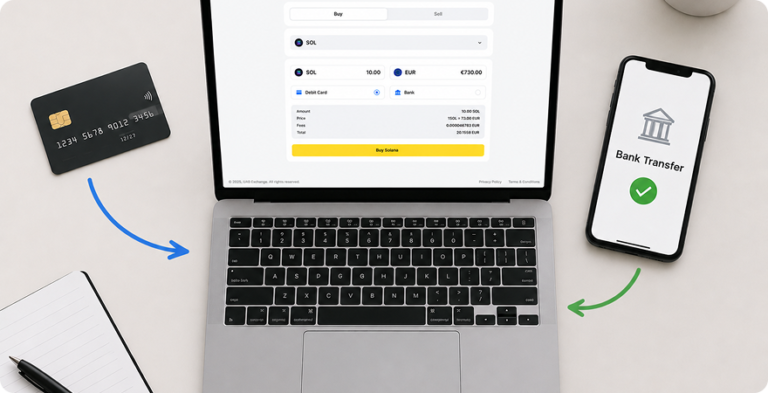
The choice between funding a crypto purchase with a debit or credit card versus a bank transfer is one of the small decisions that quietly determines a beginner’s cost basis. The right answer depends on three variables: how much you’re buying, how time-sensitive the purchase is, and how much you trust your own ability to time the market.
You can use e-Pocket to send money to Panama today. To learn more about the countries on our extensive platform, read our blog page.
Card purchases
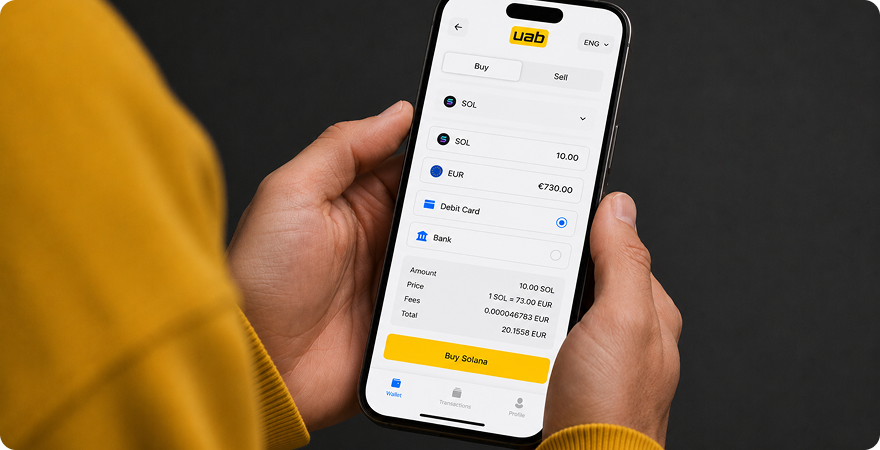
Speed is the entire advantage. A card purchase typically completes in under a minute. Funds clear, the trade executes, and you hold the asset before your coffee gets cold. The cost is meaningful: most exchanges charge between 2.5 and 4 percent in card processing fees, and the spread on a card-funded buy is often wider than the spread on a wire-funded buy at the same exchange. The all-in cost of buying $1,000 of Bitcoin with a card on most major exchanges lands between $40 and $60. The same purchase via bank transfer typically costs $5 to $15.
There’s also a counterparty risk worth flagging. Some banks treat crypto exchange card transactions as cash advances rather than purchases, which can trigger higher interest rates and immediate finance charges on credit cards. Check the cardholder agreement before assuming a card purchase will be treated like any other transaction.
Bank transfers
Cheaper, slower, and operationally more involved. SEPA transfers within the Eurozone typically settle same-day or next-day at near-zero cost. ACH transfers in the US take one to three business days. SWIFT wires internationally take one to five business days and carry fees on both ends. Faster options exist — SEPA Instant, Faster Payments in the UK, OSKO in Australia — but availability depends on both the sending bank and the exchange’s banking partnerships.
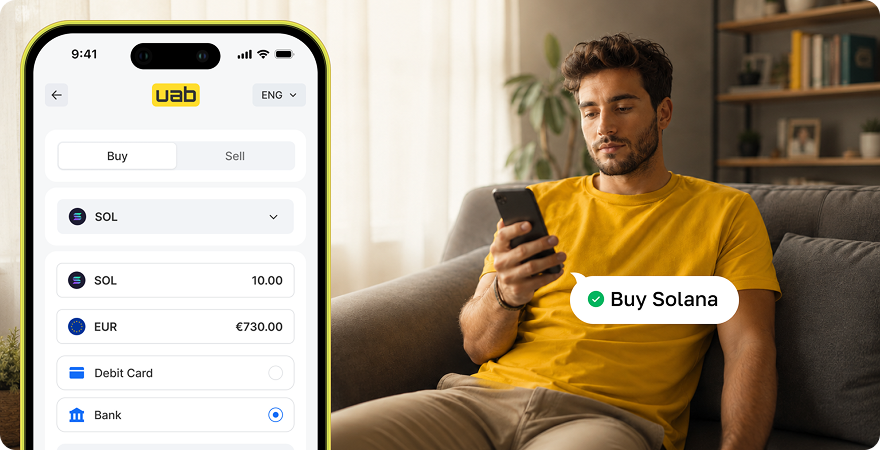
The slowness has a hidden cost: price exposure during the transit window. If you initiate a bank transfer to buy Bitcoin at $60,000 and the price moves to $63,000 before the funds arrive, you’ve effectively paid a five percent cost on the trade — much higher than the card fee would have been. For volatile assets in volatile markets, the speed advantage of card can outweigh the fee disadvantage.
A reasonable decision rule
For purchases under $500, the absolute dollar difference between card and bank transfer is small enough that convenience usually wins. Use card. For purchases between $500 and $5,000, the fee difference becomes meaningful but the price exposure risk during a bank transfer is moderate. Bank transfer is usually correct unless the market is moving sharply. Above $5,000, bank transfer is almost always correct on cost, and the price exposure can be managed by purchasing in tranches as funds clear.
Two practical patterns that work well
First, keep a stablecoin balance on the exchange to act as a “dry powder” buffer. This lets you buy instantly without card fees by converting stablecoins to the target asset, then top up the stablecoin balance via bank transfer at your leisure. Second, if you’re dollar-cost averaging on a fixed schedule, bank transfer with recurring deposits is the right pattern. The price exposure during transit averages out across many purchases, and the fee savings compound.
Card is for urgency. Bank transfer is for cost discipline. Stablecoin balance is for both.
Continue with UAB Exchange
Subscribe to our weekly market brief for structural analysis of crypto market dynamics, on-chain flows, and the macro context shaping digital-asset prices.
Subscribe